

Chief of Staff at an AI startup: The Generalist's Advantage with Teddy Schoenfeld
In this episode, David Nebinski sits down with Teddy Schoenfeld, a Chief of Staff at early-stage AI startup Sentience, to unpack what the role looks like at a ~10 person company. Teddy shares why generalists, not specialists, have the edge in an AI-driven world, community-led growth, and a hospitality-inspired philosophy behind treating early users. You will also learn about how he uses Sentience's product daily to supercharge his own work as Chief of Staff. Enjoy!
Connect with Teddy on LinkedIn here!
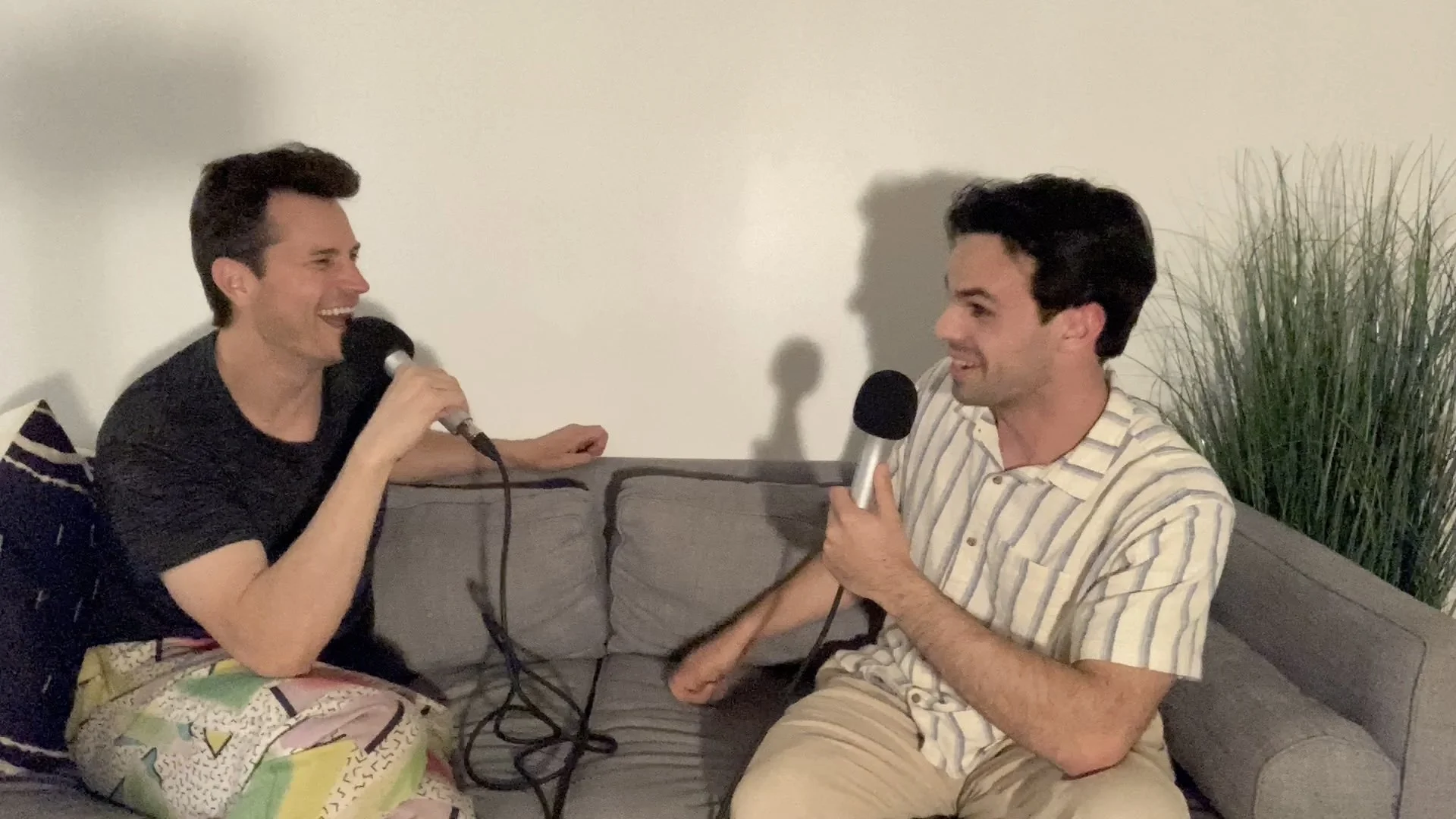
FULL VIDEO
You can watch the full video of this podcast episode here
Episode highlights:
00:00: Teddy’s Path into Chief of Staff & “Wide vs Deep”
05:00: Generalists in the LLM Era (“Orchestration Layer”). Teddy’s related blog post!
07:15: Personal Websites as a Hiring Signal. Here is Teddy’s personal website and mine.
10:30: Serendipity Coming From Personal Websites & Connecting with People Over Shared Interests
13:30: Values: Customer Care, Community & “Treating Everyone Like VIPs”
17:45: Sentience’s product helping people create digital versions of themselves. Here is Teddy’s public-facing Sentience.
23:30: The Current Go-to-Market Motion with Waitlist, One-on-One Onboarding, Growth
27:30: Using Sentience in Interviews
31:45: Using Sentience as a Team Member in Slack for proactive answers and more
35:45: Teddy as a Sentience Power User, and how AI and Sentience Can Give Chiefs of Staff Superpowers
Episode overview:
This A Chief of Staff podcast episode is a deep dive into how the Chief of Staff role is evolving in an AI-first world, told through Teddy Schonefeld’s experience as Chief of Staff at Sentience, a ~10 person startup building “digital versions” of people from their digital lives.
In conversation with David Nebinski, Teddy explains how he essentially stumbled into the role via an early-stage recruiter, then quickly clicked with Sam, Sentience’s Founder. At such a small company, “Chief of Staff” is a true catch-all: Teddy owns operations, go-to-market, hiring, community, and much of the product scoping for non-technical work. It’s a perfect fit for his generalist background in computer science and neuroscience, and his love of wide, cross-domain thinking over deep specialization. He references David Epstein’s book Range and argues that in a world of powerful foundation models, human advantage shifts to the “orchestration layer”: humans define goals and constraints while models execute specialized work.
A substantial part of the conversation covers personal websites as a powerful, underrated asset for Chiefs of Staff and candidates. Teddy’s own site, teddyschoenfeld.com, serves as a living portfolio of books, songs, art, restaurants, and values, and has already created surprising serendipity in hiring and relationships. For him and Sam, a thoughtful personal website is often the strongest hiring signal.
Teddy then unpacks Sentience: a tool that builds a rich, persistent model of a person’s tastes, values, and decisions, and uses data from tools like email, calendar, iMessage, Slack, and Notion to act as a proxy and thought partner. Internally, the team uses their own sentiences in Slack to answer questions, summarize meetings, draft communications, and move faster. Teddy shares his own productivity system (calendar-as-to-do plus time blocking) and closes by arguing that Chiefs of Staff, empowered by tools like Sentience, can now give themselves “superpowers” in weeks by creatively orchestrating AI around their work.
Subscribe here to make sure you get the next A Chief of Staff podcast every Tuesday by David Nebinski